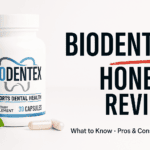
Biodentex ingredients center on a proprietary blend of botanicals and sweeteners ranging from xylitol and stevia to cranberry and grape seed extract. While the product emphasizes natural sources and oral care claims, doses aren’t disclosed, and the evidence supporting results is limited to research on the individual ingredients—not the full supplement. Some users report fresher breath, but you won’t find published studies on Biodentex itself. Good for those seeking plant-based oral support, but not a substitute for real dental care.
This article may contain affiliate links. If you make a purchase through them, USA Health Review may earn a commission—at no extra cost to you. This doesn’t affect our recommendations or editorial integrity. Before deciding on Biodentex ingredients, compare the current price, return terms, and what the seller actually promises.
Table of Contents
Table of Contents
Check Today's Price on the Official Site →
Biodentex Ingredients: The Official List
If you landed here to get the full scoop on Biodentex ingredients, you’re definitely not alone. The formula claims to support a broad approach to oral health with an 11+ plant, mineral, and nutrient blend—but only a handful of the specific ingredients are actually listed on the official website. Here’s what you can expect based on the most consistent, manufacturer-published ingredient lists:
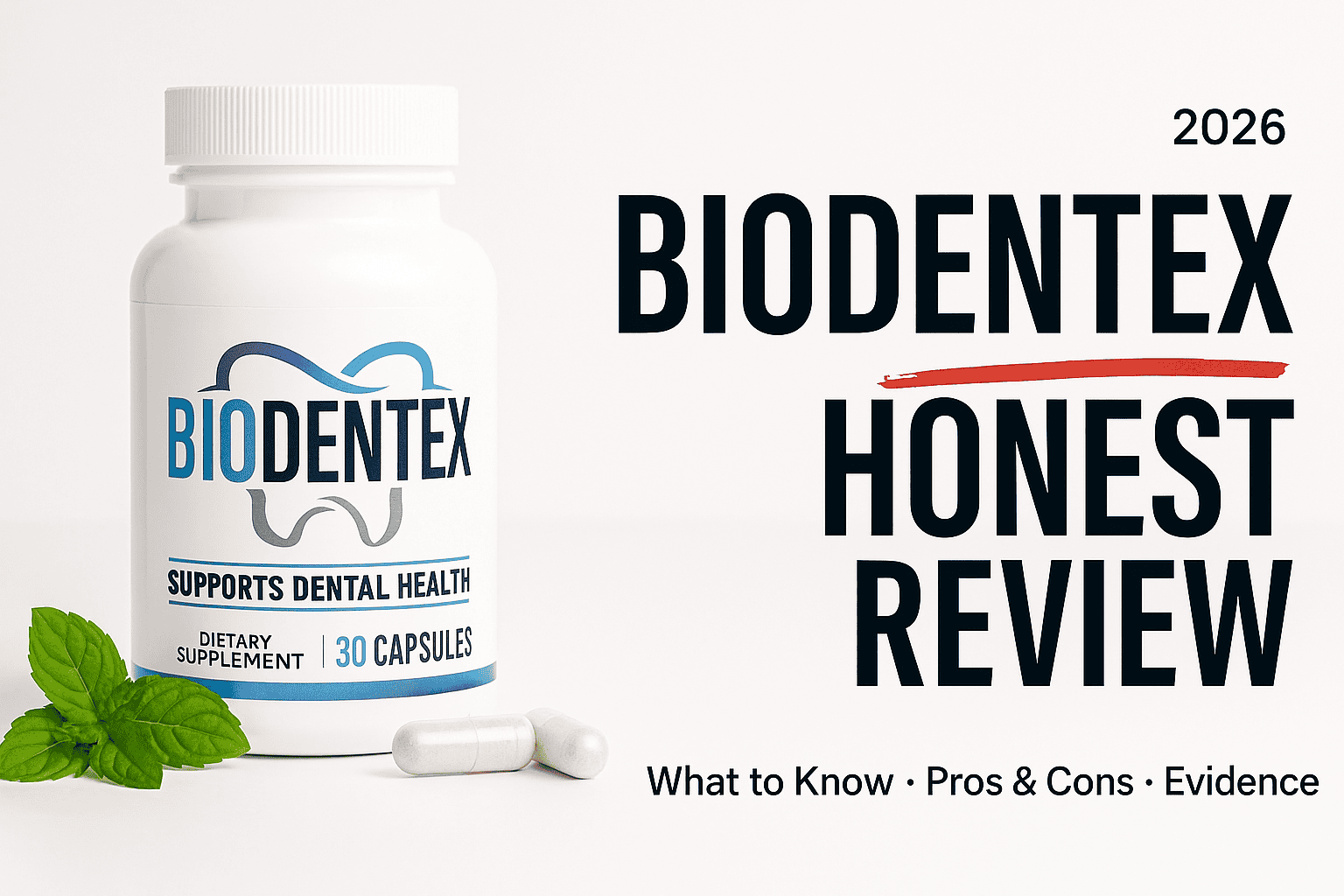
- Xylitol Powder
- Stevia
- Carrot Powder
- Grape Seed Extract
- Peppermint
- Cranberry
This is paired with claims of over 11 ingredients total, but the specifics of the other botanicals, minerals, or nutrients aren’t public. The formula is labeled as a “proprietary blend,” meaning that—like many supplements—the exact amounts of each ingredient are hidden for business reasons. A useful Biodentex ingredients review separates verifiable details from promotional language.
Tip: If you see “Biodentex supplement ingredients” lists claiming specific dose amounts online, take it with skepticism. No official supplement facts panel breaking out milligrams per item has been made public so far. Readers assessing Biodentex ingredients should check the product details and the source behind each important claim.
Spotlight on Key Biodentex Ingredients: What Do They Do?
Let’s break down what each core Biodentex ingredient is, what research actually shows (and doesn’t), plus recognized safety notes. Any conclusion about Biodentex ingredients should reflect the available evidence, not just testimonials or advertising.
Xylitol Powder
- What it is: A sugar alcohol found naturally in plants; used as a common sweetener in dental products.
- Research notes: Best evidence supports xylitol’s role in reducing streptococcus mutans (a decay-causing oral bacteria) and possibly helping reduce the risk of cavities when used in chewing gums or rinses. No human studies on oral xylitol powder capsules for overall mouth health. Excess may cause digestive upset.
- Downside: Very toxic to dogs (even small amounts). Not for pets.
Stevia
- What it is: A no-calorie sweetener from the stevia rebaudiana plant. Used for taste; popular in “natural” supplements.
- Research notes: Safe for humans, and some research points to potential anti-inflammatory and antimicrobial effects, but most research is in test tubes. Stevia is widely used as a sweetener and is GRAS (Generally Recognized As Safe) by the FDA.
Carrot Powder
- What it is: Dehydrated carrots, ground into a powder. Source of beta carotene and antioxidants.
- Research notes: Antioxidants in carrots support general wellness, but there’s no direct human data tying carrot powder to better teeth, gums, or oral bacteria regulation.
Grape Seed Extract
- What it is: Concentrated extract from grape seeds, rich in compounds called proanthocyanidins.
- Research notes: Some cellular and animal research suggests grape seed extract may support antioxidant defenses and limit bacterial growth in the mouth, but strong human trials for cavity or gum health are lacking. Well tolerated in standard dietary supplement doses.
Peppermint
- What it is: Well-known aromatic herb, used here likely in leaf or oil form.
- Research notes: Peppermint oil is linked to fresh breath and a cooling mouth feel. Some small studies find antimicrobial effects in vitro (test tubes). No strong clinical trials specifically confirm benefits for oral health when ingested as a supplement.
Cranberry
- What it is: Tart berry with antioxidant polyphenols, sometimes used in dental products for its proposed ability to stop bacteria sticking to surfaces.
- Research notes: Research is promising for cranberry’s ability to reduce bacterial adhesion, but evidence focuses on urinary tract health; benefits for the mouth are plausible but not directly demonstrated in supplement form. No major safety issues at typical dietary intakes.
Is the Formula Natural, Vegan, and Allergen-Free?
Biodentex advertises its formula as natural, non-GMO, and made in a US GMP-certified, FDA-registered facility. All six public ingredients are plant-based; the supplement appears to be vegan (no animal-based items listed), though there’s no official vegan certification. Check the official listing for current details and refund conditions before buying Biodentex ingredients.
Allergen Information: There’s no mention of gluten, dairy, soy, or common allergens in the formula on the official site. However, since the precise “proprietary blend” list isn’t shared, those with severe food allergies should ask the manufacturer directly before trying Biodentex. Whether Biodentex ingredients is suitable depends on individual needs, the product details, and the evidence available.
- Natural ingredients in Biodentex? Yes, the core ingredient list uses botanicals and plant-derived sweeteners.
- Is Biodentex gluten-free? It’s labeled as such, but if you’re highly sensitive or celiac, double-check with the manufacturer before use.
- Non-GMO? Biodentex advertises non-GMO sourcing.
- Vegan? Appears so, but not certified. No gelatin or animal byproducts shown in the published ingredients.
The Science Behind Biodentex Ingredients: What’s Actually Known?
The big caveat: There are no published human clinical studies testing Biodentex itself. Claims on the official site point to “science-backed” ingredients, but they rely on past research on those ingredients on their own, or in other formulas—often at unknown doses. Here’s where the science sits: Treat claims about Biodentex ingredients cautiously unless they can be confirmed by reliable, independent sources.
- Xylitol—Strongest evidence for cavity prevention when used in gum or as a direct oral rinse. Capsule use is untested for these benefits.
- Stevia, peppermint, cranberry, grape seed—Some antimicrobial and antioxidant action in lab studies, but direct human oral health benefits remain unproven for supplement use.
- Carrot powder—General antioxidants, but no link to dental outcomes in research.
- Dose matters—And without disclosed amounts, it’s not possible to cross-check if there’s enough of each ingredient to expect an effect similar to those in research.
Hedge: In plain English, there’s biological plausibility for the ingredients to support oral hygiene—but you should be skeptical of big promises, since there’s no direct human data showing Biodentex will decrease cavities, heal gum disease, or whiten teeth on its own. Compare Biodentex ingredients with alternatives using transparent criteria rather than promises alone.
Ingredient Transparency: Proprietary Blend Issues
Like a lot of supplements, Biodentex lists a proprietary blend. This is legally allowed in the US—but it means you don’t get to see the exact serving size for each ingredient, only that the combined plant blend adds up to a total amount that’s also undisclosed. Why does this matter? When researching Biodentex ingredients, separate independently verifiable information from claims made in advertisements.
- You can’t compare the dose to amounts shown effective (or safe) in research.
- If you’re sensitive to certain herbs or ingredients, you can’t know the actual content without contacting the manufacturer first.
- No way to check if you’re getting much more (or less) of a plant than you want.
Transparency could be improved by showing a full Biodentex supplement facts label. Until then, all assessments are best guesses based on the ingredient list—not the precise nutrition facts. A balanced assessment of Biodentex ingredients should include limitations as well as any potential advantages.
Safety Concerns and Potential Interactions
- Xylitol is safe for most adults, but high intake can cause bloating or diarrhea. Never leave capsules where a dog can reach—xylitol is life-threatening to pets even in small amounts.
- Stevia, carrot, grape seed, cranberry, peppermint are regarded as safe at food and standard supplement doses. People with plant allergies or food sensitivities should take care.
- Medication interactions: None of these botanicals are known for strong drug interactions, but grape seed can have minor blood-thinning effects—check with your doctor if you’re on anticoagulants, or have a bleeding disorder.
- Pregnancy, children, special health conditions: There’s no safety data for Biodentex in kids, during pregnancy, or breastfeeding.
Always check with a healthcare provider before starting any new supplement, especially if you’re managing a medical condition, pregnant, nursing, using prescription drugs, or have allergy risks. Readers considering Biodentex ingredients can use these checks to make a more informed comparison.
How Biodentex Compares to Other Oral Supplements
| Feature | Biodentex | Other Oral Health Supplements |
|---|---|---|
| Core Ingredients | Xylitol, stevia, carrot, grape seed, peppermint, cranberry, proprietary | Often probiotics, calcium, vitamin D, herbal blends |
| Full Ingredient Disclosure | No (proprietary blend; doses undisclosed) | Varies—some are fully disclosed, others proprietary |
| Allergen Free? | Advertised as gluten-free, non-GMO, vegan (not certified) | Some are vegan/allergen-free, others aren’t |
| Human Clinical Trials | No published data | Rare for most brands |
| Money-Back Guarantee | 180 days advertised (real enforcement may cap at 60 via ClickBank) | Ranges (30–180 days; watch for fine print) |
- Pros
- Packed with plant-based ingredients
- No artificial sweeteners, flavors, or preservatives listed
- Advertised as gluten-free, non-GMO, vegan-friendly
- Manufactured in the USA in GMP-certified, FDA-registered facility
- Long refund window (advertised 180 days)
- Cons
- No public supplement facts label with ingredient amounts
- Lack of direct clinical evidence for the full formula
- Relies on generic studies of ingredients, not on Biodentex itself
- May not be suitable for those with food allergies/sensitivities
- Expensive compared to simple xylitol gum or other single-ingredient products
Interested in how Biodentex rates on authenticity? Find out more about scams and legit Biodentex sellers with our scam-or-legit check. Before relying on claims about Biodentex ingredients, look for clear product details and trustworthy supporting evidence.
Biodentex Ingredients FAQ
- What are the main ingredients in Biodentex?
- Biodentex’s widely advertised ingredients are xylitol, stevia, carrot powder, grape seed extract, peppermint, and cranberry, with claims of 11+ plant-based components in a proprietary blend.
- Are Biodentex ingredients natural?
- Yes—the product lists botanical and plant-based ingredients without artificial additives. No animal-based items are published.
- Is Biodentex gluten-free and non-GMO?
- The formula is marketed as gluten-free and non-GMO. Always double-check with the manufacturer or your healthcare provider if you have severe gluten or allergen sensitivities.
- Does Biodentex contain allergens?
- No common allergens are listed, but the full ingredient list (including possible traces of nuts, soy, wheat, or other contaminants in the facility) isn’t published. Ask the company if you have strong allergies.
- How do Biodentex ingredients support dental health?
- Xylitol and some botanicals in Biodentex have evidence for reducing dental bacteria and supporting mouth health when used directly (like in gum or rinses). But there’s no research on the capsule formula’s effectiveness, and ingredients are backed by general antioxidant and antimicrobial studies rather than clinical trials on Biodentex itself.
- Are the ingredient doses disclosed?
- No. Biodentex uses a proprietary blend, so the exact amounts of each plant or nutrient aren’t provided. That means you can’t cross-check against research doses or allergen thresholds.
Further reading from public health sources: NIH Office of Dietary Supplements and FDA dietary supplement guidance.
Check Today's Price on the Official Site →
This review is for educational purposes only and isn’t a substitute for medical advice. Supplements aren’t evaluated by the FDA for treatment, cure, or prevention of any disease. If you have health concerns, talk to your doctor first.
You can learn more or see purchasing options at the official Biodentex buyer site.
Research notes
Sources consulted during preparation (listed without external hyperlinks): supplementskeptic.com, topdigitalfinds.com, reddit.com, family.cmho.org, bioddentex.com, biodenttex.com, us-en-biodentex.com.