Affiliate Disclosure: We may earn a commission if you purchase GlucoBerry through links on this page, at no extra cost to you. Our editorial opinions are independent, and we never accept money for reviews.
Table of Contents
Table of Contents
Check Today’s Price on the Official Site →
GlucoBerry reviews: Does this blood sugar support formula live up to the hype?
Curious about GlucoBerry? You’re not alone. “GlucoBerry reviews” is one of the hottest searches among American adults exploring supplements aimed at supporting healthy blood sugar. Instead of hype, here’s a practical, unbiased guide covering the formula, ingredients, real user experiences, pros and cons, and what makes GlucoBerry different (or not) from all the rest.
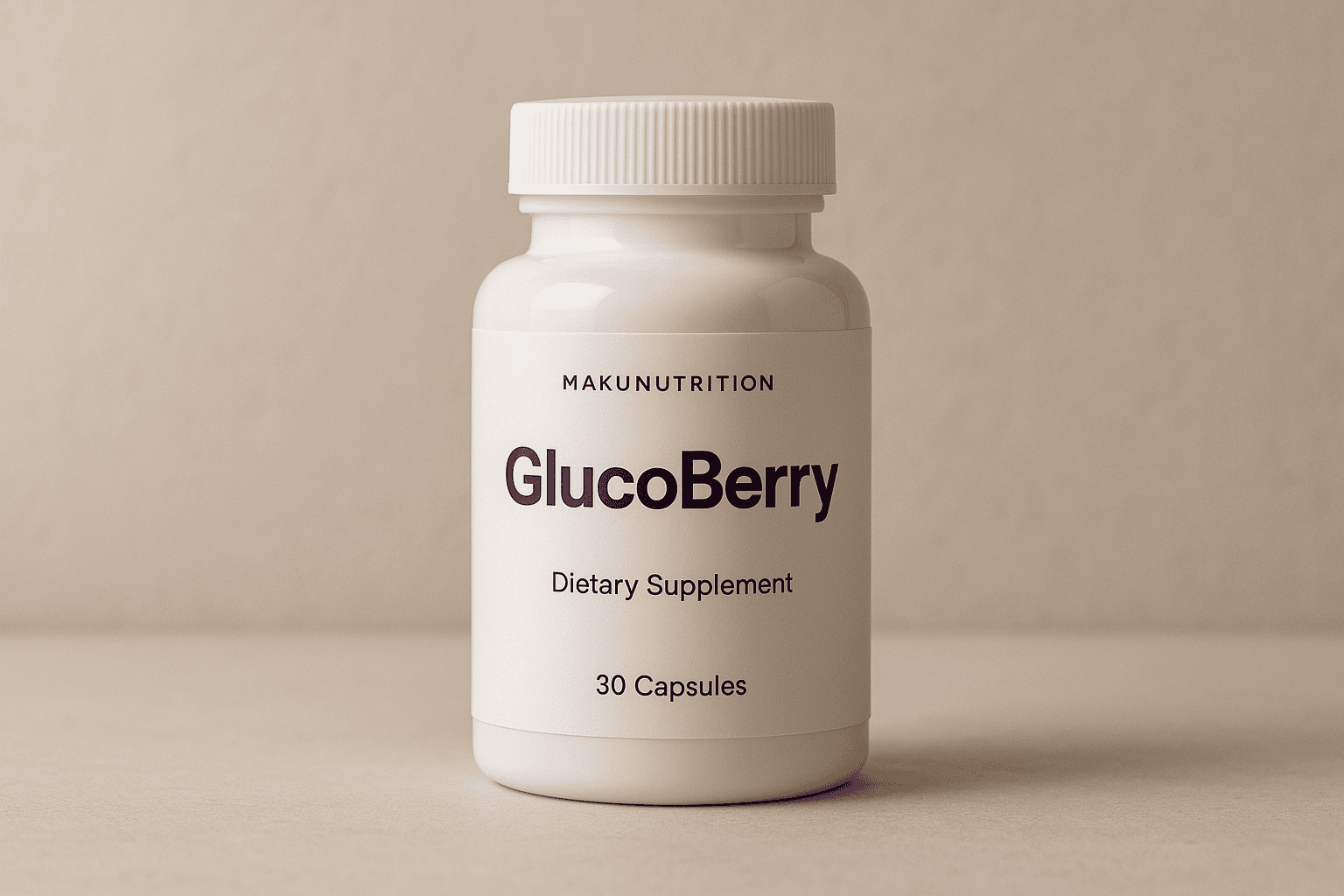
Let’s break down the facts—and finally settle the question: does GlucoBerry work as promised, or is it more smoke and mirrors? Before deciding on GlucoBerry reviews, compare the current price, return terms, and what the seller actually promises.
What Is GlucoBerry?
GlucoBerry is a daily dietary supplement manufactured and distributed by MD/Process, an Atlanta-based company (per independent reviews [source]). It’s primarily sold online, notably via ClickBank, and commonly retails between $39 and $69 per bottle (depending on bundle size). You’ll also see it listed on several official-looking websites, but the legitimate seller distributes via the main site and ClickBank platform. A useful GlucoBerry reviews review separates verifiable details from promotional language.
The product is marketed as a natural way to support healthy blood sugar—not treat or cure diabetes or any other disease—but rather to help your body maintain healthy glucose levels with a specific blend of plant extracts and nutrients. The most unique claim is its focus on the so-called “Blood Sugar Drain,” a mechanism involving kidney health and sugar filtering. While this makes for catchy copy, there’s no real-world scientific study confirming GlucoBerry works specifically through this process. Readers assessing GlucoBerry reviews should check the product details and the source behind each important claim.
In short, the formula is built around some promising (but not miracle) ingredients, but its core sales pitch is more marketing concept than proven fact. Any conclusion about GlucoBerry reviews should reflect the available evidence, not just testimonials or advertising.
GlucoBerry Ingredient Breakdown
The GlucoBerry label features four main active ingredients, each used in specific doses that generally match those tested in peer-reviewed scientific studies: Check the official listing for current details and refund conditions before buying GlucoBerry reviews.
- Maqui Berry Extract (180mg): This Patagonian berry, standardized to a branded extract (Delphinol), contains types of polyphenols called delphinidins. A 3-month human study using this exact ingredient at this dose found a positive effect on long-term blood sugar markers (source), but results were modest and participants still needed standard lifestyle changes. There’s no published evidence it works via kidney support as GlucoBerry marketing claims.
- Chromium Picolinate (600mcg): Chromium is a mineral shown in various studies to aid insulin action and glucose metabolism in some individuals, including a 447-person trial. 600mcg is a relatively high dose but within common supplemental levels. Benefits in people with already normal blood sugar are less clear.
- Biotin (2mg): Biotin (Vitamin B7) is commonly combined with chromium in blood sugar studies. Some evidence suggests the pair may help support glucose handling, but biotin on its own doesn’t reliably alter glucose levels unless there’s a clinical deficiency.
- Gymnema Sylvestre Leaf Powder (400mg): Traditionally used in herbal medicine, a few small studies point to gymnema’s potential to influence blood sugar balance. However, these tend to be small, and often done in populations with much higher-than-average sugar levels (source).
Other Ingredients: The capsules themselves are made of gelatin, silicon dioxide, and magnesium stearate, standard fillers/binders found in many supplements. Whether GlucoBerry reviews is suitable depends on individual needs, the product details, and the evidence available.
Bottom line? Each main ingredient has some science behind it at the listed dose, but results are mild. There’s no credible evidence that stacking these—at these doses—leads to dramatic effects, nor proof of the claimed “Blood Sugar Drain” as a real biological pathway. Still, the inclusion of actual doses (unlike many copycat brands) is a positive. Treat claims about GlucoBerry reviews cautiously unless they can be confirmed by reliable, independent sources.
What about safety?
None of the ingredients are known to be unsafe for healthy adults when taken as directed. The product is made in the USA in an FDA-registered, GMP-certified facility, according to the company. However, it hasn’t been evaluated by the FDA for efficacy or safety, and it’s not designed to diagnose, treat, cure, or prevent any disease. Consult your doctor before trying, especially if you’re on medication, pregnant, have kidney dysfunction, or other major health conditions. Compare GlucoBerry reviews with alternatives using transparent criteria rather than promises alone.
GlucoBerry Reviews & Testimonials: What Do Real Users Say?
The internet is loaded with flashy GlucoBerry testimonials, but let’s be clear: most on sales websites are curated, and you won’t find detailed verified GlucoBerry customer opinions on BBB, Trustpilot, or established consumer boards. When researching GlucoBerry reviews, separate independently verifiable information from claims made in advertisements.
What’s available? Scattered anecdotal reports:
- Generic praise for feeling “steady energy” or “easier time after meals.” Some users on Reddit mention feeling more balanced, but don’t provide lab-verified results and often focus on overall supplement routine, not GlucoBerry alone.
- No significant volume of complaints—for now—including on Reddit or Amazon, though the sales are mostly off-Amazon. Lack of major negative reviews may simply reflect low mainstream penetrance, not universal success.
- Independent reviewers (such as Men’s Health Authority) note that while ingredients are credible, expectations should be realistic. There are no miracle reversals, and effects—if any—tend to appear after weeks or months, not days. Effects are mild. One reviewer called it “potentially helpful as an adjunct, not a mainstay.”
Meanwhile, there are frequent warnings about misleading ads, exaggerated before/after stories, and even scammy sites masquerading as the real GlucoBerry. The product itself is not a scam, but some sellers use high-pressure tactics and fake reviews. A balanced assessment of GlucoBerry reviews should include limitations as well as any potential advantages.
Point blank: the typical GlucoBerry results are subtle, gradual, and unverified in large independent consumer studies. If you’re looking for a magic solution, you’ll likely be disappointed. Readers considering GlucoBerry reviews can use these checks to make a more informed comparison.
Can you trust online GlucoBerry testimonials?
You should be skeptical. Since there are no independent Trustpilot, BBB, or major third-party consumer reviews as of mid-2024, most “real user experiences” are coming directly from marketing channels. We were unable to verify most personal success stories or detailed before/after blood test results. Before relying on claims about GlucoBerry reviews, look for clear product details and trustworthy supporting evidence.
If you want to check for the most direct updates on suspected scams, you can visit this scam-or-legit check, which separates hype from fact. A careful comparison of GlucoBerry reviews starts with the seller’s terms, the published details, and independent sources.
Pros and Cons
- Pros
- Clear, science-backed doses for key ingredients (not proprietary blend)
- Made in the USA in a GMP-certified facility
- Gentle, evidence-based formula—little risk of stimulant effects
- No artificial colors, fillers, or sweeteners
- Marketed with a 180-day money-back guarantee (with caveats—see below)
- Cons
- “Blood Sugar Drain” mechanism is marketing, not proven science
- Most effects are subtle; not a miracle fix or alternative to medical advice
- Refund guarantee only fully enforceable for 60 days via ClickBank
- Some misleading or scam websites selling out-of-date, fake, or copycat products
- Lack of independent, large-scale consumer testimonials
- Expensive compared to generic store-brand alternatives
How Does GlucoBerry Stack Up To Other Blood Sugar Supplements?
| Feature | GlucoBerry | Common Alternatives |
| Main Active Ingredient | Maqui Berry (180mg), Chromium, Gymnema, Biotin | Berberine, Cinnamon, Alpha Lipoic Acid, Bitter Melon |
| Unique Claim | “Blood Sugar Drain” (kidney support) | Insulin Sensitivity, Sugar Metabolism |
| Third-Party Certifications | GMP-certified facility; not independently lab verified | Varies (few independent labs test supplements) |
| Transparency on Dosage | Full label disclosed | Some brands hide behind “proprietary blend” |
| Refund Guarantee | Marketed as 180 days (enforceable for 60 days via payment processor) | Usually 30-90 days |
| User Reviews | Few; mostly via sales channels | Alternatives (like berberine) have more independent reviews |
Bottom line: GlucoBerry stands out for using maqui berry and for full ingredient disclosure, but doesn’t offer dramatic clinical results over generic alternatives. Ingredients are sensible; marketing is especially bold. When reviewing GlucoBerry reviews, look for specific information that a reader can independently verify.
How to Take GlucoBerry
Suggested use: According to the label, adults are directed to take one capsule daily, preferably with food. Each bottle contains a 30-day supply. No stimulants or caffeine are included, so there’s no restriction on time of day. The strongest assessment of GlucoBerry reviews explains both what is known and what remains uncertain.
Who should use caution: If you take diabetes or blood-thinning medications, have kidney or liver conditions, are pregnant/breastfeeding, or have a history of supplement sensitivity, talk to your doctor first. Blood sugar-supporting ingredients can sometimes affect medicine efficacy or safety. Always check with your provider before adding new supplements. Anyone comparing GlucoBerry reviews should confirm that the product page and seller policies are current.
GlucoBerry Price & Guarantees
Retail price: The official website lists bottles for $39 to $69 each, depending on volume. Larger bundles offer a lower per-bottle price. There is no subscription, and shipping fees may apply outside some promotions. For GlucoBerry reviews, a transparent review should distinguish confirmed facts from opinions and promotional claims.
Money-back guarantee: GlucoBerry is sold with a 180-day satisfaction promise, but read this closely. ClickBank, the payment processor, only guarantees refunds for 60 days. Beyond that, you’re relying on the manufacturer’s own guarantee, which can have extra steps or hurdles—not always honored by third-party sellers according to some independent review sites (source). Always keep your order confirmation and try to buy from the official source. Check whether the evidence cited for GlucoBerry reviews directly supports the claim being made.
How to avoid counterfeits and scams
Because of its popularity, GlucoBerry has been targeted by knock-off sellers and misleading third-party websites. To be safe: A sensible buying decision about GlucoBerry reviews weighs the price, terms, alternatives, and available evidence.
- Only buy from the official GlucoBerry website or authorized partners
- Check your package for labeled manufacturer and a genuine lot number
- If a deal seems suspiciously cheap, it may be fake or expired product
If you want an honest check on counterfeit risks and other red flags, visit this scam/legit resource. Look at the full context before accepting a headline claim about GlucoBerry reviews.
Who Might Benefit—and Who Should Skip GlucoBerry?
Consider GlucoBerry if:
- You’re a US adult interested in mild, natural support as part of a broader blood sugar wellness plan
- Your doctor has cleared you for supplements with chromium, biotin, gymnema, or maqui berry
- You want a transparent ingredient label and are fine with subtle improvements
You should skip or ask your doctor first if: A fair review of GlucoBerry reviews should mention meaningful limitations as well as possible benefits.
- You expect rapid, dramatic changes in blood sugar or want an alternative to doctor-prescribed medicine
- You have kidney disease, are taking blood sugar-lowering drugs, or are pregnant/nursing
- You aren’t willing to wait at least 60-90 days for possible results, or can’t tolerate paying for premium ingredients
- You dislike the risk of complicated guarantee/refund processes
Tip: If you have pre-existing medical conditions or your doctor has prescribed blood sugar management, supplements like GlucoBerry are never a replacement for medical care. Before choosing GlucoBerry reviews, compare the details with at least one reliable independent source.
Frequently Asked Questions
- What do users say about GlucoBerry?
- Most reported GlucoBerry results are subtle, such as feeling more steady after meals or gradual improvements in energy. There’s little large-scale independent consumer feedback. While ingredients are credible, don’t expect quick fixes.
- Are there common side effects reported?
- No serious side effects have been widely reported in reviews or by the manufacturer when taken as directed. Some individuals sensitive to chromium or gymnema could experience mild digestive upset or headaches. Always speak to your doctor if you notice new symptoms.
- How long does it take to see results with GlucoBerry?
- Manufacturer info and available GlucoBerry testimonials suggest a minimum of 4-8 weeks for noticeable effects, though many independent reviewers say changes are mild and gradual. Don’t expect rapid transformations.
- Is GlucoBerry worth the money?
- If you value researched, transparent ingredients and are comfortable with gentle support versus dramatic results, it might be worth a try. If you want guaranteed, major results or the best dollar value per pill, consider less expensive generic brands.
- How does GlucoBerry compare to other blood sugar supplements?
- It uses a rare ingredient (maqui berry), includes full dose transparency, and avoids stimulants. Some alternatives (like berberine or cinnamon formulas) have broader clinical study support and more verified user reviews online, but ingredient mileage varies person to person.
- Where can I read more verified GlucoBerry reviews?
- There are currently few verified large-scale reviews. You can check independent breakdowns like Men’s Health Authority or scam/legit guides like Supplement Skeptic for current updates. Always double-check for up-to-date, unbiased feedback.
Bottom Line: Should You Try GlucoBerry?
If you’re considering GlucoBerry as a support for healthy blood sugar, here’s what we know:
- Its main ingredients are dosed at levels used in real studies, but not everyone will see results.
- The major “blood sugar drain” sales pitch isn’t directly proven; the formula’s benefits, if any, are likely mild and gradual.
- Cost is higher than generic blends, and independent reviews/reports are still limited.
- Refund policy is somewhat convoluted; you get 60 days through ClickBank, after that it’s up to the company to honor the promise.
- If buying, stick to the official GlucoBerry site to avoid fakes and make refund claims easier.
Ultimately, GlucoBerry is worth considering only as part of a thoughtful, doctor-approved wellness plan—but nobody should expect a dramatic transformation, and all supplement decisions are best made together with a trusted health provider.
Related guides
Check Today’s Price on the Official Site →
Medical Disclaimer: This information is for educational purposes only and isn’t a substitute for medical advice, diagnosis, or treatment. Always consult your healthcare provider before starting any supplement, especially for chronic conditions or prescription medication interactions.